
No-Shows Are Scary: How to Protect Every Shift This October


October brings falling leaves, cooler temperatures, haunted houses, and enough candy to keep the breakroom stocked until Thanksgiving.
For light industrial employers, however, the scariest part of the season may be looking at the attendance list five minutes before a shift begins and realizing several employees are missing. No call. No text. No sign of them in the parking lot. Just an empty workstation and a supervisor wondering whether the employee has disappeared into the fog.
During the busy fall season, even one unexpected absence can affect production. Multiple no-shows can lead to overtime, missed deadlines, overwhelmed employees, safety concerns, and unhappy customers. We know that reliable attendance does not happen by accident. It requires clear expectations, consistent communication, backup plans, and regular employee engagement.
Here are several ways employers can protect every shift and keep staffing problems from haunting their operations this October.
1. Set Attendance Expectations Before the First Shift
Employees should understand the attendance policy before arriving for their first day.
Be clear about:
When the shift begins
How early employees should arrive
Who they should contact if they will be late or absent
How much notice is expected
What happens after a no-call, no-show
Whether overtime or weekend availability may be required
Where employees should park and enter the facility
These details may sound basic, but confusion creates attendance problems. If a new employee is unsure where to report, who to call, or whether the schedule has c hanged, the first shift can turn into a mystery nobody enjoys solving.
Written instructions are especially helpful. Employees can refer to a text, email, or printed document instead of relying on information they heard once during orientation. Clear expectations also support fairness. When attendance rules are communicated consistently, employees know what is required and supervisors can respond to problems using the same standards.
2. Confirm the Shift Before It Starts
A simple confirmation text can prevent an empty workstation.
Before a new assignment begins, confirm the employee’s:
Start date
Shift time
Facility address
Parking instructions
Dress code
Required safety equipment
Supervisor or check-in contact
Transportation plan
Confirmation messages are also valuable when schedules change, overtime is added, or a facility adjusts its operating hours. Employees have busy lives, and misunderstandings happen. A reminder sent the day before a shift gives the employee an opportunity to ask questions or report a problem early. It is much better to receive a message saying, “I may have a transportation issue tomorrow,” than to discover the problem when the production line is already running.
3. Talk About Transportation Early
Transportation is one of the most common barriers affecting attendance in light industrial workplaces.
Some facilities are difficult to reach without a personal vehicle. Others operate second or third shifts when public transportation may be limited. A job might be a perfect match until the employee realizes the last bus leaves two hours before the shift ends.
Before placing an employee, discuss:
Whether the employee has reliable transportation
How long the commute will take
Whether public transportation operates during the shift
Whether the employee depends on another person for a ride
What backup option is available if the usual transportation falls through
How weather may affect the commute
The goal is not to eliminate every possible transportation problem. The goal is to identify potential issues before they become last-minute call-offs. An assignment closer to home or on a different shift may create a more reliable placement for both the employee and the employer.
4. Build a Backup Staffing Plan
Even the most dependable employees can become sick, experience a family emergency, or encounter car trouble. That is why busy facilities need a backup plan.
A strong plan may include:
Prequalified candidates who can start quickly
Cross-trained employees who can cover multiple roles
A small group of workers available for short-notice assignments
Clear procedures for reporting open shifts
Regular communication with your staffing partner
Staffing levels that account for normal absenteeism
Employers should also identify which positions must be filled for the operation to run safely. If one absence can stop an entire department, that role should receive priority when creating a coverage plan. Waiting until the shift begins to search for a replacement can leave supervisors scrambling. Maintaining an active pool of qualified candidates makes it easier to respond before one empty position becomes a full-blown production nightmare.
5. Keep a Reliable Candidate Pipeline
Recruiting should not stop as soon as the current schedule is filled. During peak season, staffing needs can change quickly. Order volume may increase, employees may leave, and customers may move deadlines forward. A full roster on Monday does not guarantee a full roster next week.
Maintaining a reliable candidate pipeline means continuing to:
Recruit for high-demand positions
Screen applicants
Verify shift availability
Discuss transportation
Keep qualified candidates engaged
Stay in contact with former dependable employees
Monitor upcoming production needs
A staffing partner can help manage this process while your supervisors focus on daily operations. The candidate pipeline should also contain people who understand the job. Providing honest information about lifting requirements, temperatures, shift hours, production expectations, and workplace conditions can reduce early turnover.
A realistic job description may not sound as glamorous, but neither does replacing the same position three times in one week. This will cost your company a lot of money.
6. Check In With Employees in Person
Text messages and phone calls are useful, but sometimes the best way to understand how an assignment is going is to visit the workplace.
Infinity Staffing Solutions conducts in-person check-ins with our employees. These visits give us an opportunity to ask questions, address concerns, recognize good work, and strengthen communication between employees and employers. An employee may be hesitant to call about a small concern. During an in-person check-in, that same employee may mention a schedule misunderstanding, transportation issue, training question, or workplace challenge that could eventually affect attendance.
Addressing the concern early may prevent a future call-off or resignation.
These visits also show employees that they have not been forgotten after placement. We want our employees to know that we remain available throughout the assignment, not just until the first shift is filled.

7. Show Employees They Are Appreciated
Reliable employees deserve recognition! Appreciation does not always require a complicated incentive program. Small gestures can remind employees that their attendance and hard work are noticed.
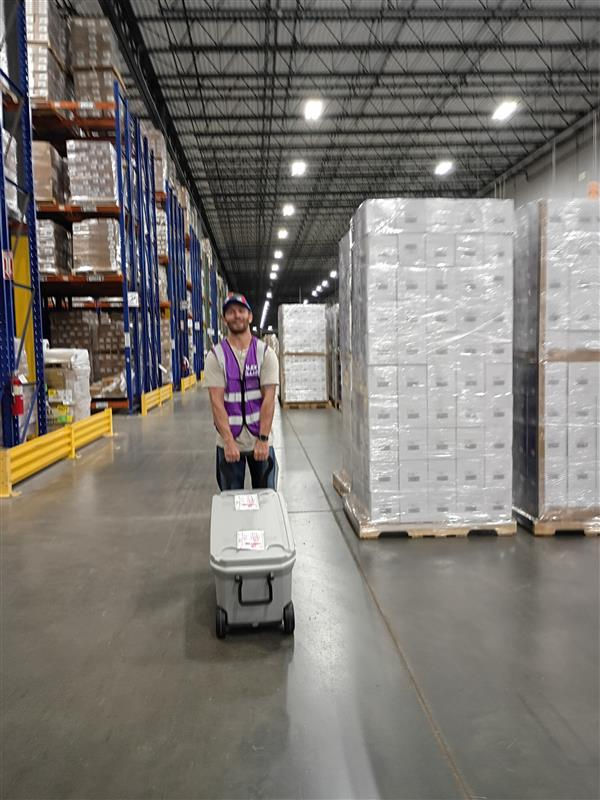
During October, Infinity Staffing Solutions visits employees and drops off Halloween treats. It is a fun seasonal tradition, but it also gives our team another reason to connect with employees in person.
Candy may not solve every attendance challenge, but showing up with treats is certainly more enjoyable than showing up with another policy reminder.
Recognition can also include:
Thank-you messages
Attendance awards
Supervisor shout-outs
Small seasonal gifts
Performance incentives
Opportunities for additional training
Consideration for long-term positions
Employees who feel connected, respected, and appreciated may be more likely to communicate when problems arise instead of simply disappearing from the schedule.

Do Not Let No-Shows Haunt Your Busy Season
No staffing plan can prevent every absence. Employers can, however, reduce the disruption caused by no-shows through early communication, clear expectations, transportation planning, backup coverage, employee engagement, and an active candidate pipeline.
Infinity Staffing Solutions helps light industrial employers prepare for changing workforce needs throughout the busy season. From recruiting and screening to employee communication and in-person check-ins, our team works to create dependable placements and stronger connections.
We even bring the Halloween treats! Do not wait until empty workstations, growing backlogs, and last-minute overtime requests turn your October schedule into a horror story.
Contact Infinity Staffing Solutions at sales@staffindy.com today to build a reliable staffing plan and protect every shift this busy season.


Comments